
/2025 Climate & Capital Conference Recap
Recap
2025 Climate & Capital Conference
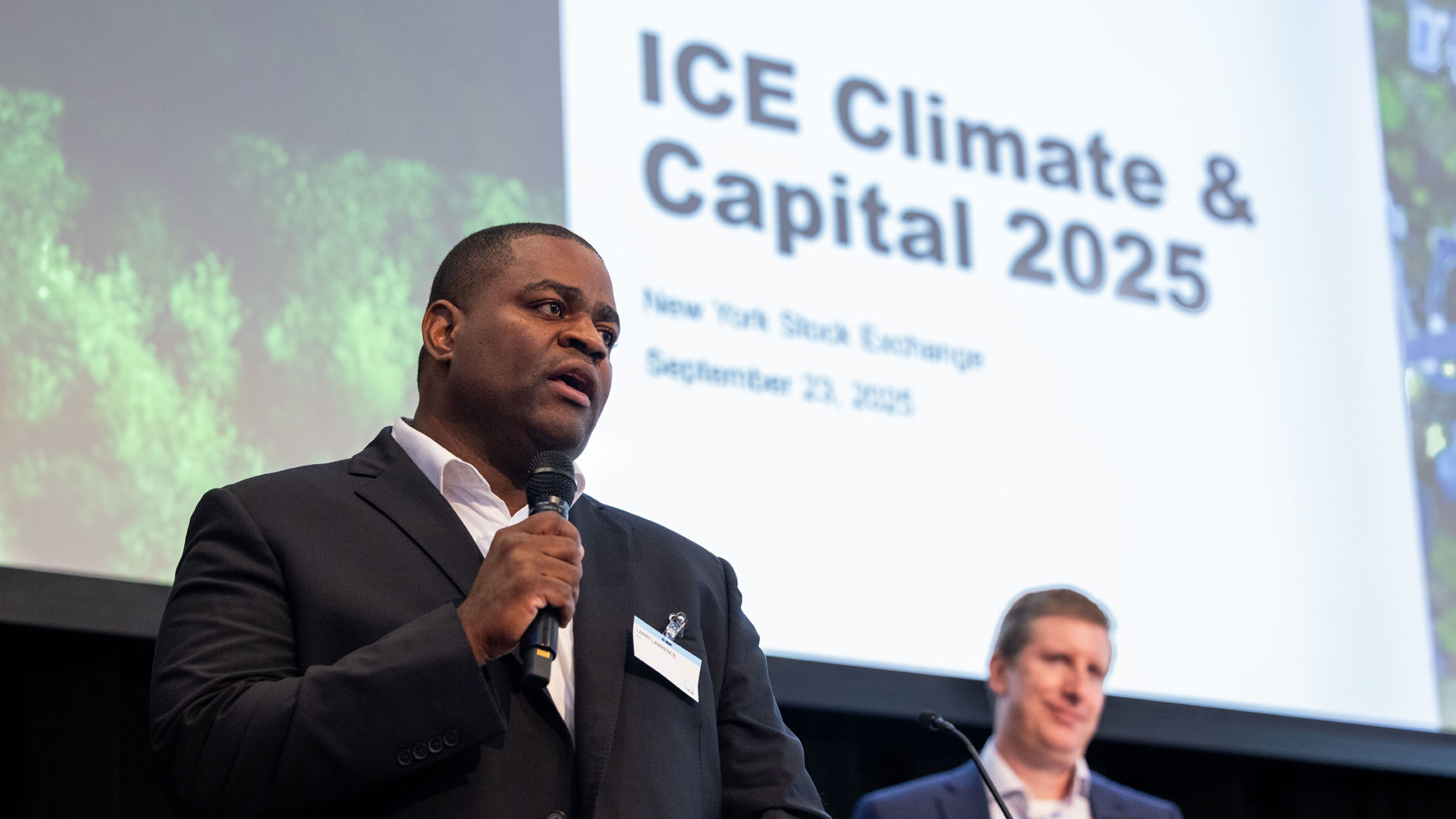
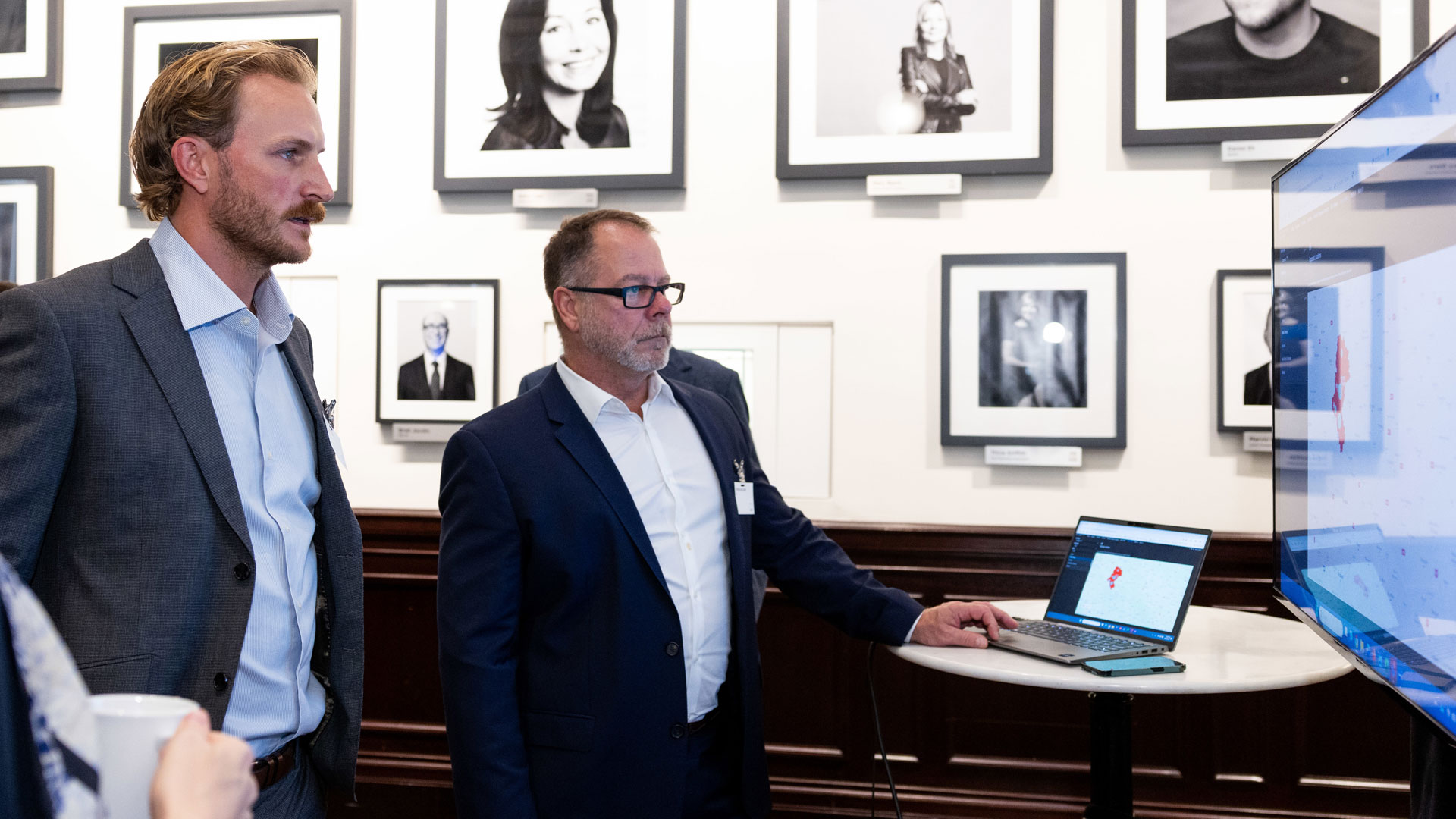
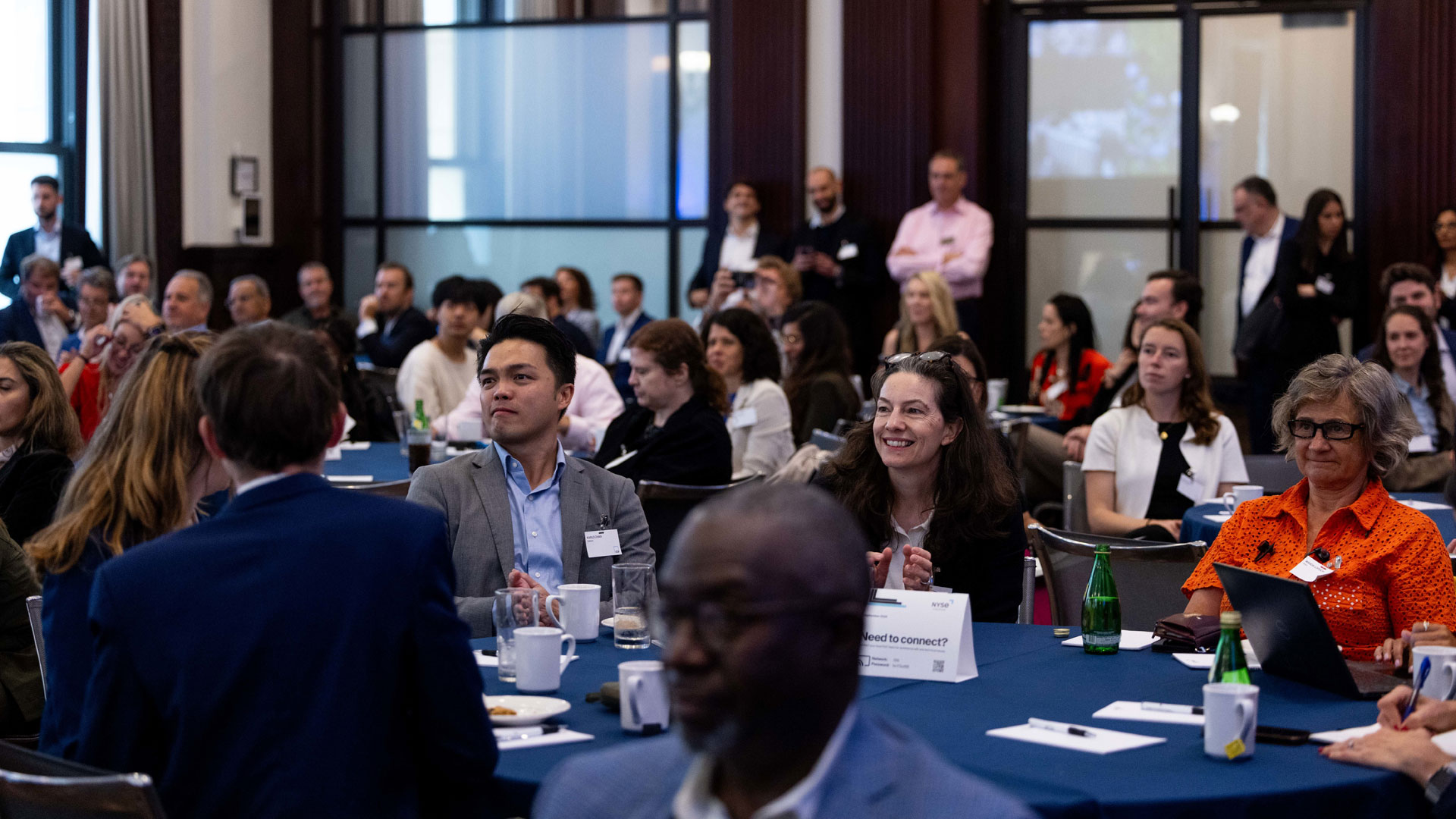
During Climate Week in New York City at the end of September, ICE welcomed over 150 guests to the fourth annual ICE Climate & Capital Conference at the NYSE. As a team, we came away more inspired than ever by the leaders from banking, real estate, academia, and government who shared their perspectives over the course of the day.
The conference featured two morning roundtables of industry leaders and practitioners with a wide range of expertise and experience. The first roundtable, hosted by Sebastian Ruf, Senior Researcher at ICE Climate, focused on pricing climate risks into the market, including the extent to which these shifts are already happening, the obstacles, and the potential impacts for countries, cities, communities, insurers, and investors. Key takeaways from the roundtable included:
- When asked if they had made a buy/no buy decision that would have been different were it not for climate-related considerations, about 30% of participants raised their hands
- Physical climate risk, many participants agreed, should be viewed as a core credit risk—but there was no clear consensus or understanding about exactly how to price the risk
- Attendees emphasized the complexity of the risks, including indirect losses to productivity, local economies, and infrastructure
- Opportunity was a focus, including how to best identify companies, the issuers, and the communities that are reducing risk and/or poised to thrive in a world in which adaptation is likely to become a growing challenge
The second roundtable, hosted by Gillian Mollod, Senior Principal Product Manager at ICE Climate, and several of our collaborators at Nature Alpha, was centered on nature data in finance and how to turn these data into material insights. Key takeaways included:
- Materiality is easier to assess when considering nature-related themes like Water Stress, Biodiversity Importance, and Ecosystem Degradation
- Early adopters of the Taskforce on Nature-related Financial Disclosure (TNFD) and the evolving EU regulatory environment may jump start corporate disclosures
- Participants were at different levels within their nature risk journey, but all stressed that concrete evidence of materiality is critical in order to get internal buy-in and integrate nature and biodiversity data into day-to-day risk management practices
1/4
2/4
3/4
4/4
1/4
2/4
3/4
4/4
1/4
2/4
3/4
4/4
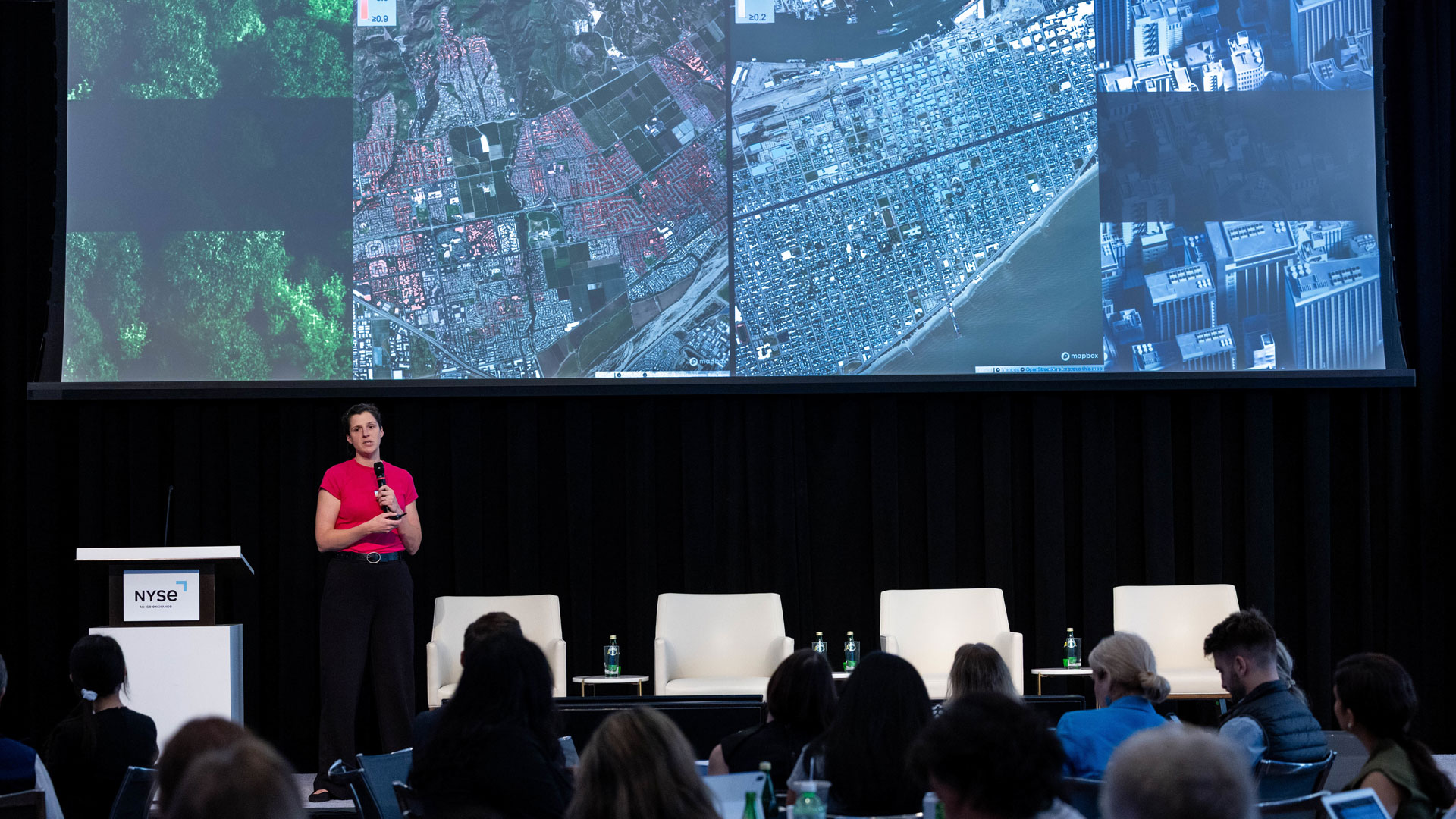
The larger conference began after lunch, starting with a keynote entitled Climate risk and materiality by Phoebe DeVries, Senior Manager of Research at ICE Climate. DeVries introduced ICE Climate’s global physical risk analytics, discussed the impacts of the 2025 Los Angeles wildfires on the municipal bond market, and explained ICE Climate’s recent research into the links between home insurance costs, extreme weather events, and mortgage delinquency. Among other things, the talk provided attendees with new perspectives on how the many climate-related pressures affecting U.S. homeowners—including home insurance premiums, property taxes, utility costs, and climate risk itself—translate into considerations for lenders and investors.
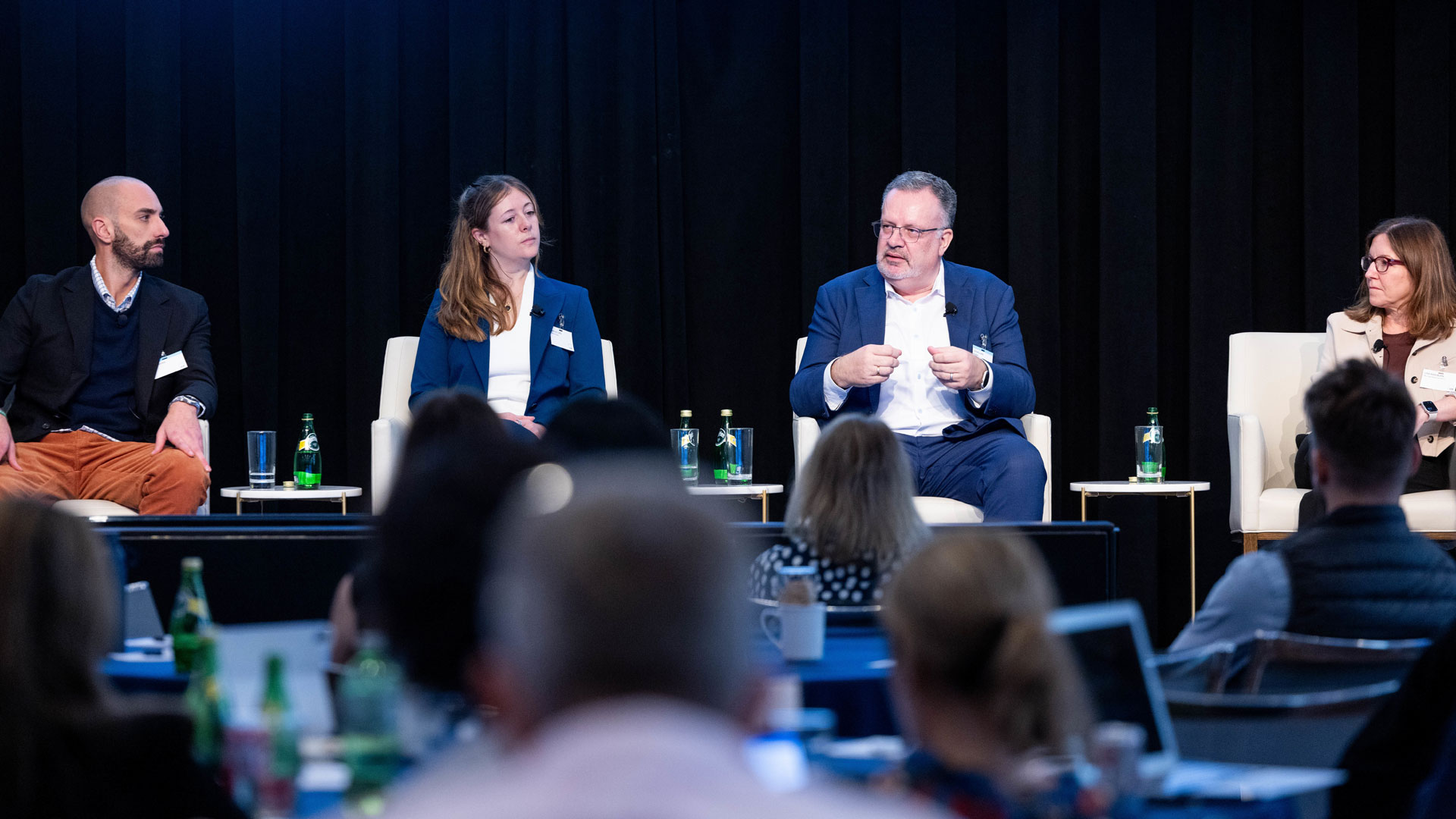
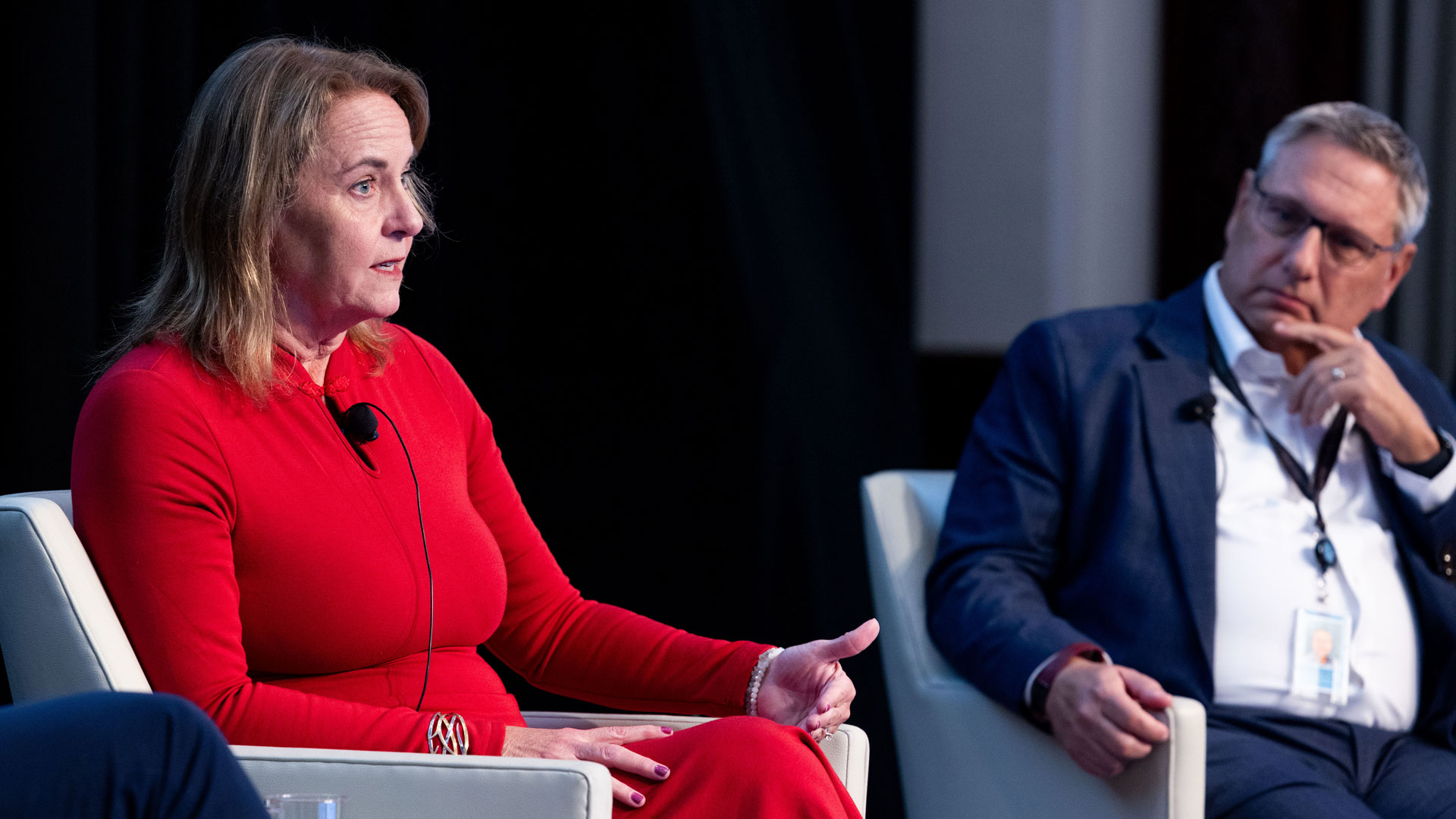
Later in the afternoon, ICE welcomed three panels of experts from finance, academia, government, and the non-profit sector. The first panel, moderated by Evan Kodra, Senior Director of Research at ICE, was focused on evolving policy and climate risk strategies to manage flood risk exposure and included contributors Dr. Natalie Lord, Principal Climate Scientist at Fathom Global, Jon Williams, Managing Director and Global Financial Services Sustainability Leader at Accenture, and Lisa Washburn, Managing Director and Chief Credit Officer at Municipal Market Analytics.
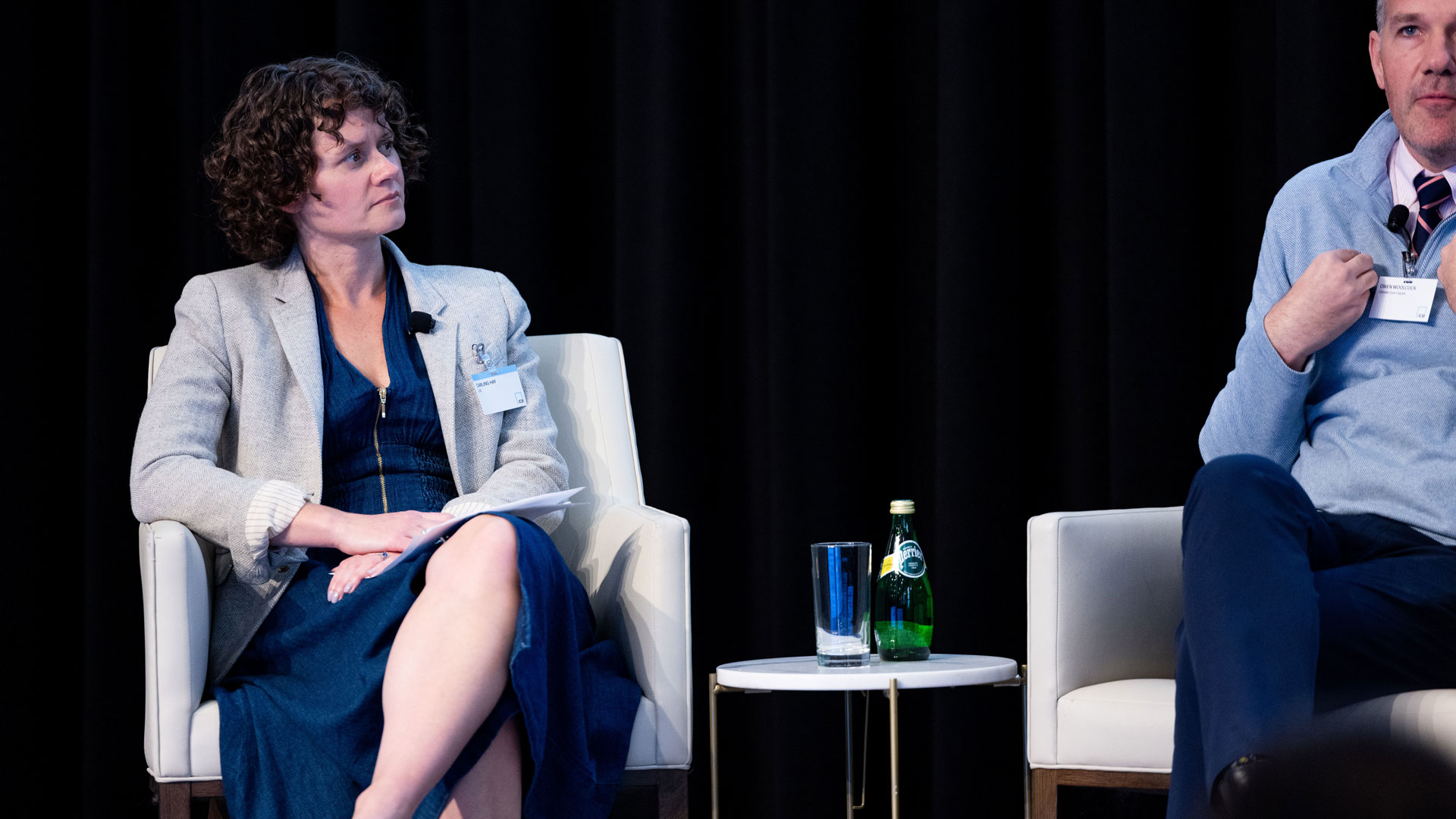
The second panel, moderated by Dr. Carling Hay, ICE Climate’s Director of Research and Product Development, explored climate risk in the U.S. real estate and municipal debt markets with contributors Owen Woolcock, Partner at Climate Core Capital, Colleen Denzler, Chief Sustainability Officer at Loomis Sayles and Company, and Richard Lombardi, Executive Vice President of Property Data Solutions at ICE.
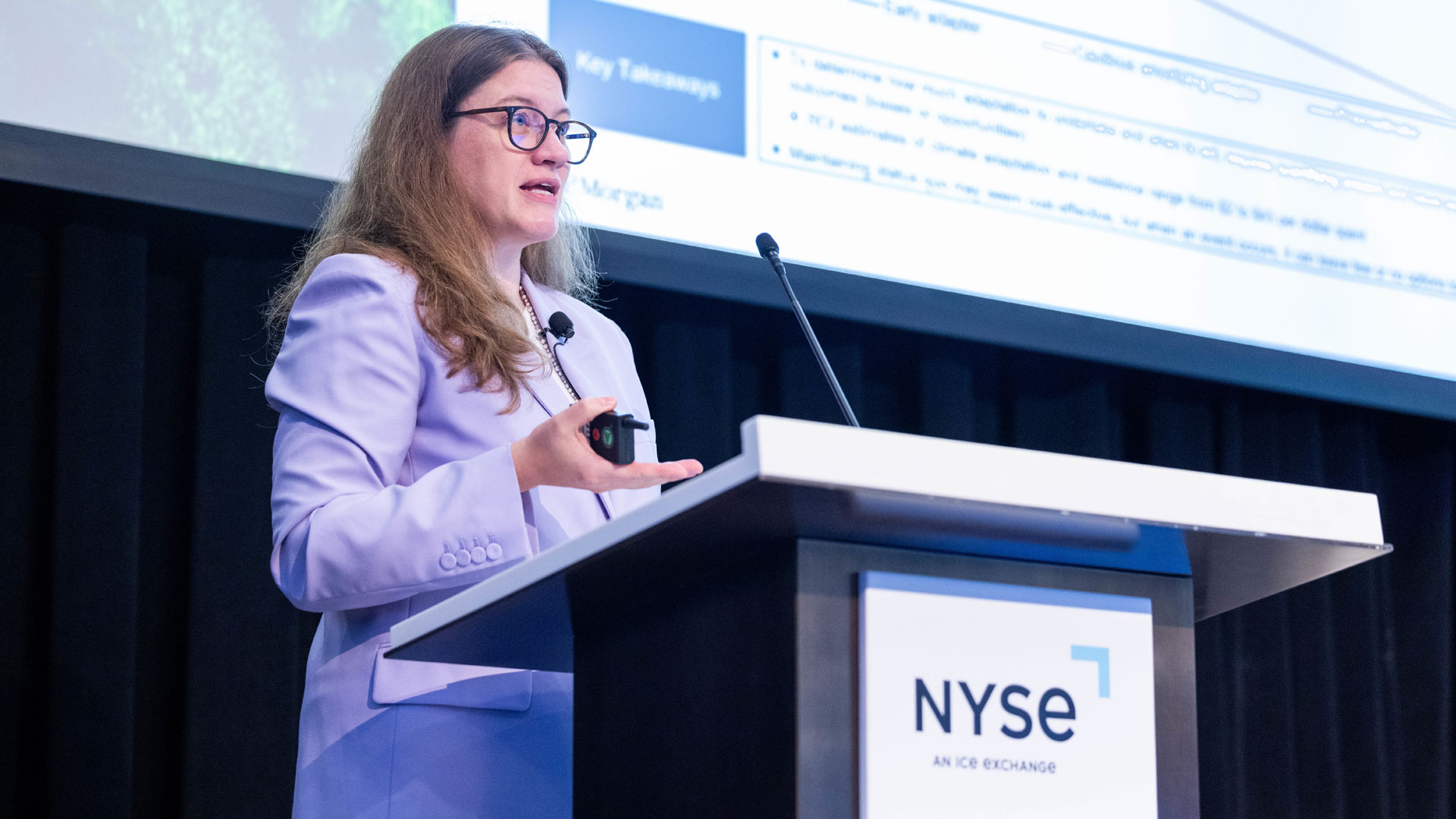
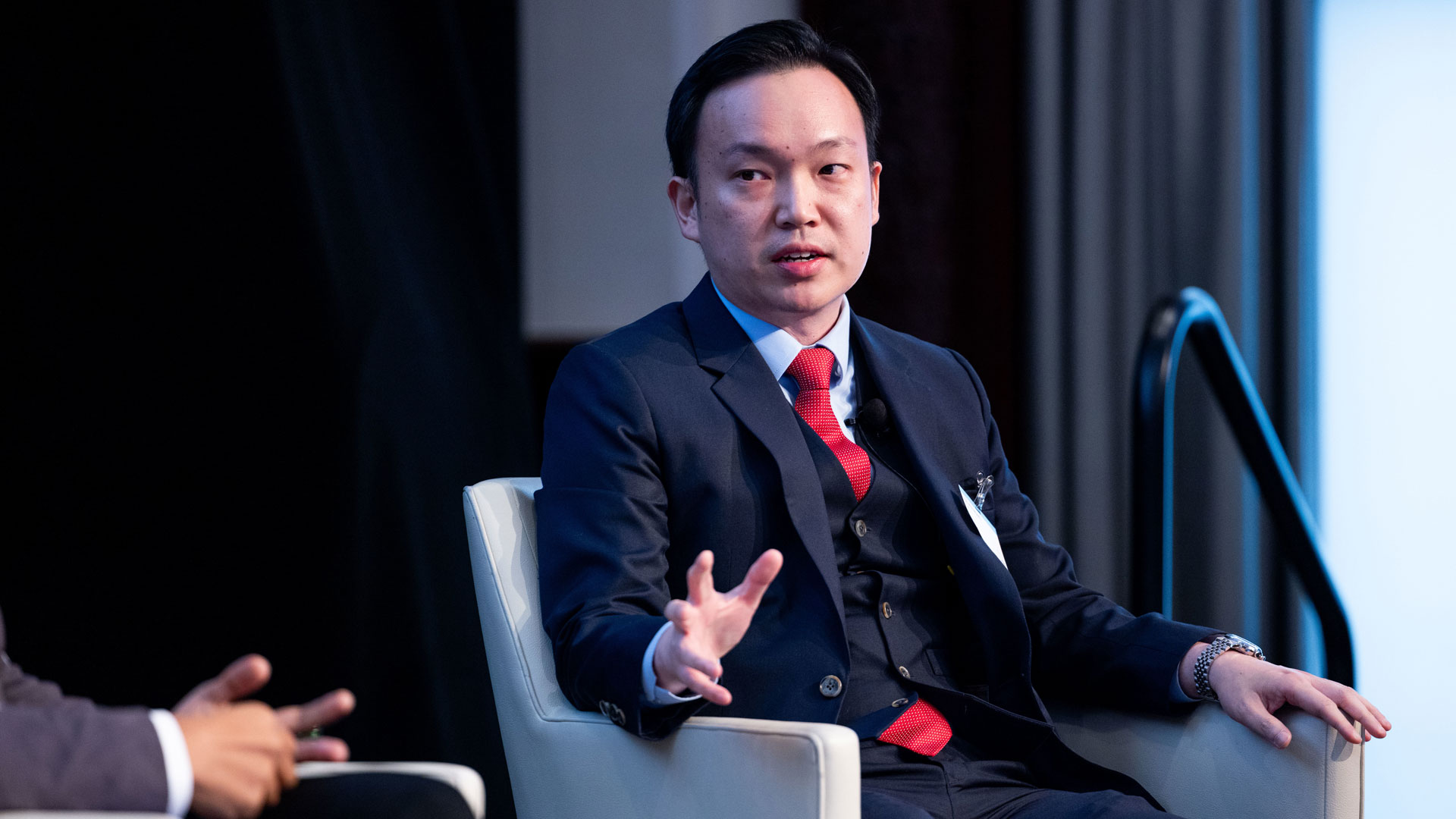
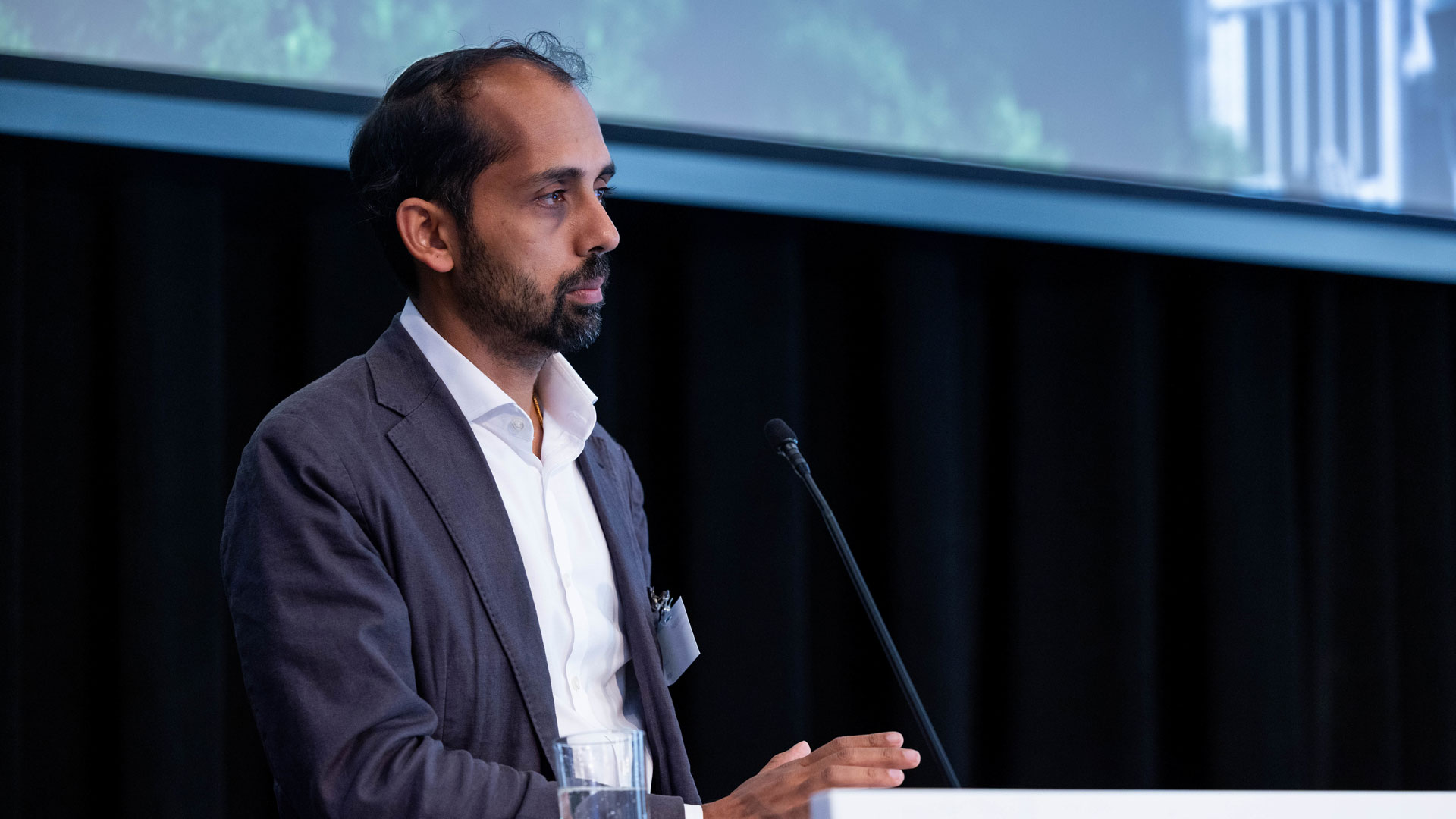
The final event of the day was a panel centered on climate adaptation and resilience moderated by Jeff Gitterman of Gitterman Asset Management. Panelists Dr. Sarah Kapnick, Global Head of Climate Advisory at J.P. Morgan, and Aniket Shah, Managing Director and Global Heat of Sustainability and Transition Strategy at Jeffries Group, each gave brief remarks before the panel began. De Rui Wong, Senior Vice President of the Sustainability Office at GIC, joined the discussion that followed.
1/4
2/4

3/4
4/4
1/4
2/4
3/4
4/4
1/4
2/4
3/4
4/4
Across these panels, a series of key themes emerged:
- In the municipal bond market, there is a need for adequate and standardized disclosure of climaterelated risks, as well as considerations of the longterm costs and benefits (the “costs avoided”) of projects being funded.
- In real estate markets, one panelist argued that we are unlikely to see complete collapse of high-risk markets. Rather, we should expect to see “rolling cycles of impairment,” as high-risk communities face declining property values and/or struggle to recover from extreme weather events.
- The theme of opportunity came up repeatedly, as it did in the morning roundtables. Panelists discussed the opportunity to invest now in sectors that are likely to expand as climate adaptation needs grow (HVAC, water engineering and infrastructure, resilient construction, etc.), as well as real estate opportunities in cities with high climate readiness and/or low risk.
- The scale of near-term climate impacts on local mortgage and real estate markets within the U.S was a point of contention. Panelists had a lively debate over the question of whether the population of the Phoenix metro area will expand from 5 million to 8 million by 2035 (as some sources project), citing both the attractive costs of housing in the area as well as water availability and extreme heat concerns.
- One panelist emphasized that climate risk has no political affiliation, a theme that came up repeatedly over the course of the day. Panelists also emphasized that while China now dominates large parts of the clean energy industry and its supply chains, the U.S. now has an opportunity to step forward and play a larger role in adaptation efforts.
Beyond these specifics, there was one consistent through line across every panel and roundtable: climate risks are no longer a hypothetical concern. For investors across the corporate, real estate, and municipal bond markets, these risks are now a material, core credit consideration—and capital allocation decisions are being made differently as a result.
At ICE Climate, we map climate and event risk to assets, debt, and equity securities using high resolution geospatial data, helping quantify climate-related risks and opportunities across fixed income and real estate markets.
The 2025 Climate and Capital Conference highlighted the growing interest among investors and institutions in identifying and managing material climate risks—especially physical risks. To address this, we support clients across a range of asset classes—including corporates, municipals, sovereigns, mortgage-backed securities, and real estate—with data-driven analytics to inform risk management.
1/4
2/4
3/4

4/4
1/4
2/4
3/4
4/4
1/4
2/4
3/4
4/4
Sustainable Bond Analysis
Sustainable bond issuance nears $600 billion in H1 2025, setting pace for over $1 trillion in global issuance by year-end.